Filter by topic and date
A Different Internet
- Jari Arkko IETF Chair
17 Jul 2013
This week I’m visiting the ICANN meeting in Durban, South Africa. It has been an opportunity to meet many interesting people and get a glimpse of the issues that other important organisations in the Internet ecosystem deal with.
And we need to work together on many topics. For instance, the new WHOIS service is worked on both by the ICANN and the IETF. Also, as the Internet has become so important for everyone, even we – the engineers from IETF – are realising that we need to reach out to more people who are impacted by Internet technology. The engineers responsible for different types of networks, domain name policy specialists, regulators, and so on.
But my visit to Africa prompted me to talk about something else as well: the incredible variation in Internet service. During the previous IETF meeting I had the opportunity to talk to a number of Internet policy experts, and I was struck by what they told me about peering. There is a lot of variation in peering practices around the world. In western countries we are used to highly capable Internet exchange points. But this is not the reality in all parts of the world. For instance, some South American countries struggle with limited local peering, forcing much of the traffic to transit elsewhere. This leads to slower Internet service and higher cost. And ultimately makes it more difficult to create local services.
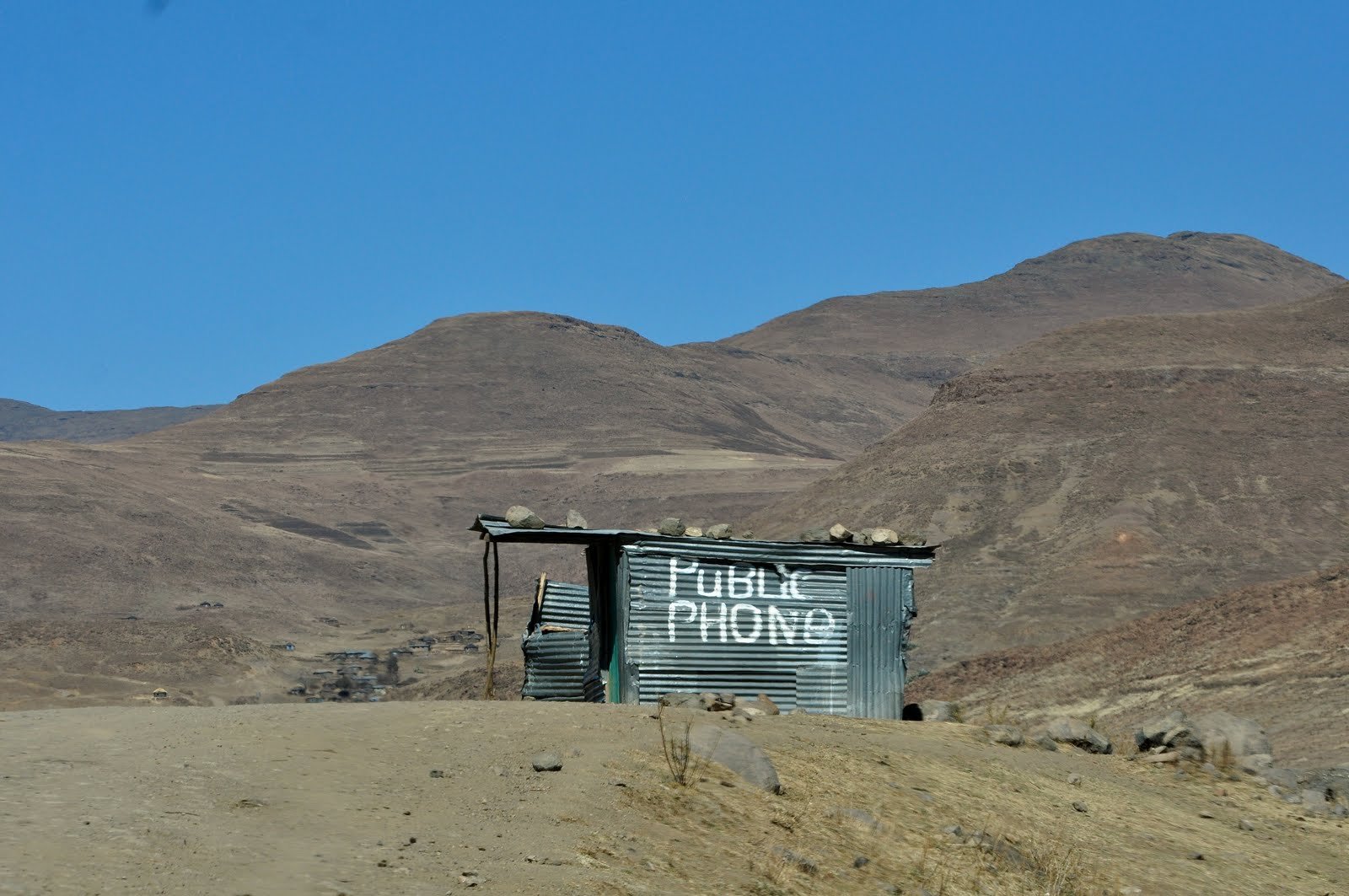
But networking in Africa is even more interesting. In Durban, the network worked better than if I had been at home. But as I moved to the countryside where I am now writing this article, I get a network with a 20% packet loss and RTT that varies between one and six seconds.
At the ICANN meeting I had an opportunity to talk to a person from Chad about their networking situation. The numbers are interesting: Only 0.4% of population are on Facebook and 1.9% are Internet users. Only 2% of homes are connected to the electricity grid. But yet, 31% have a mobile phone. The implications are: first off, the developing world can jump over technology generations, such as moving directly to wireless. Secondly, the power situation creates new markets, people buy small generators, solar cells, and services to charge their phones. Thirdly, it is clear that Africa is the place with a lot of room for growth.
What can we do to support networking in these conditions? How can we create more access infrastructure for the Internet in developing countries? And, perhaps more importantly, how can we ensure that the Internet is open enough for all the local innovation, business, and content that will be created?